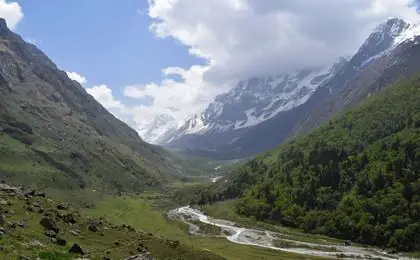
Kaghan Valley has worthwhile places beyond its busiest stops, but remote-route information must be accurate and current. In particular, Katora Lake is in the Jahaz Banda/Kumrat area of Upper Dir, not above Batakundi, so it does not belong in a Naran trail list.
1. Dudipatsar Lake
Dudipatsar is reached on foot from the Besal side of the upper Kaghan Valley. It is a high-altitude overnight trekking objective rather than a casual day stop. Arrange an experienced local guide, suitable camping equipment, food, water treatment and a weather margin. Snow and river conditions determine the practical season.
2. Noori Top
Noori Top is a high seasonal pass at approximately 3,950 metres on the rough Jalkhad–Sharda track. It is not a 5,012-metre walking summit. Visiting it normally involves a high-clearance 4×4 and a driver who has checked the current track; do not attempt the crossing when authorities or local operators report washouts, snow or unsafe weather.
3. Saral Lake
Saral Lake is a remote alpine objective approached from the Jalkhad/Noori side. Route descriptions and walking times vary, so hire local guidance and confirm the starting point rather than relying on a generic online map. Carry layers, rain protection, navigation, food and enough daylight for delays.
4. Dharamsar and Sambaksar Lakes
These upper-valley lakes lie near the Gittidas/Babusar side of Kaghan and are less developed than the roadside stops. Access can combine seasonal road travel with walking or a local vehicle depending on conditions. Confirm the legally permitted approach, track condition and guide requirement locally before leaving Naran.
5. Upper Sharan Valley
Sharan’s cedar forest and upper clearings offer a quieter lower-Kaghan alternative. Access starts from the Paras side and uses a seasonal jeep track followed by walking for deeper areas. Read the Sharan Valley guide, travel in daylight and check forest, weather and track conditions before departure.
Responsible Planning
Remote destinations need more than a price and vehicle: verify the route with district or tourism authorities and a current local guide; carry identification, first-aid supplies, warm and waterproof layers, food, treated water, cash, power and offline navigation; tell someone your route and return time; and leave no waste. High-altitude travellers should acclimatise and turn back for deteriorating weather or symptoms rather than treating the published destination list as a promise.